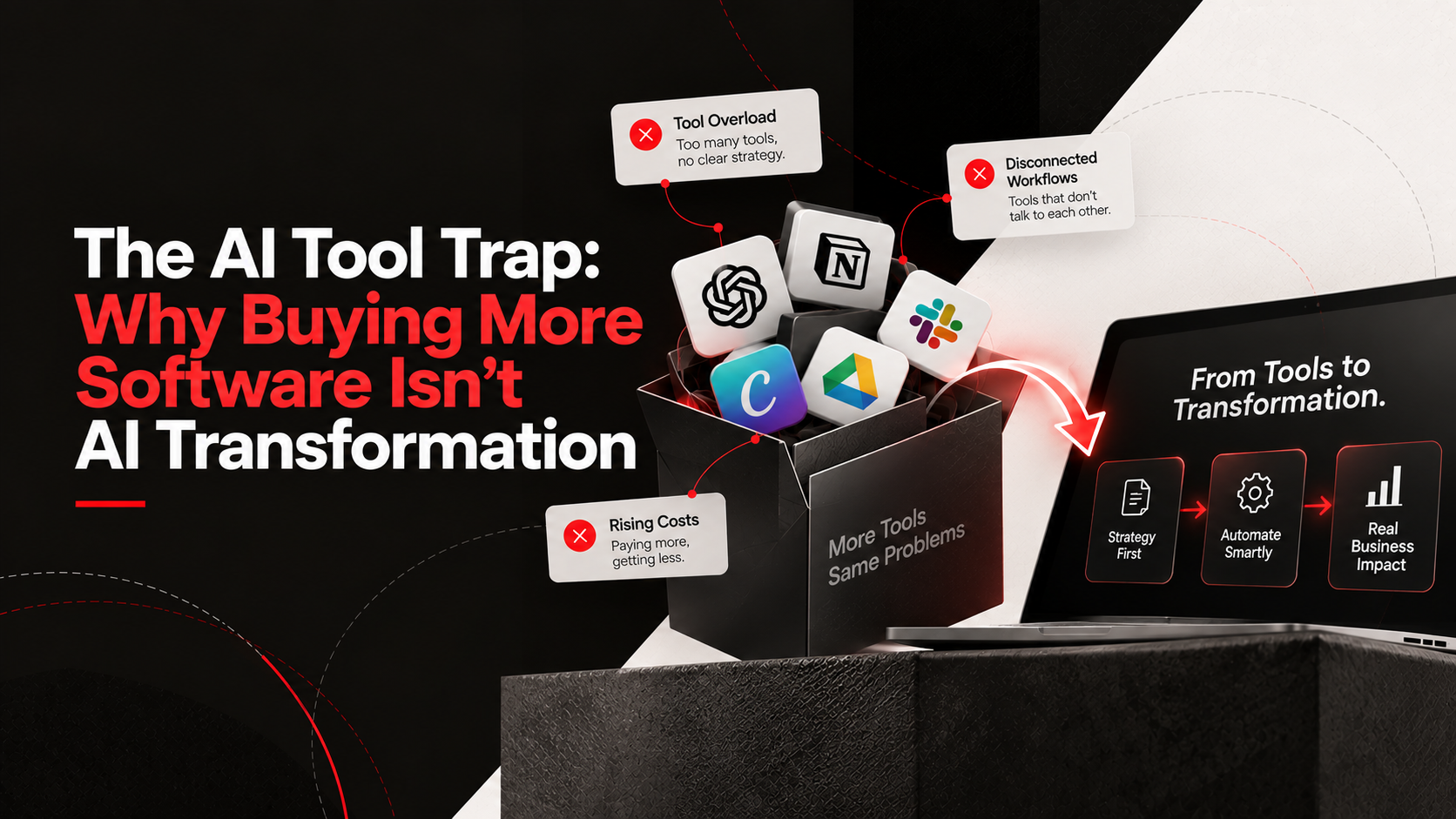
The AI Tool Trap: Why Buying More Software Isn't AI Transformation
Scroll through LinkedIn today and you will see dozens of posts claiming that if you don't buy this specific AI tool, your business will be obsolete by Friday.
The result? Founders panic-buy subscriptions to generative text tools, automated meeting transcribers, and AI image generators. A month later, their team is frustrated, their data is siloed, and operational efficiency hasn't improved an inch.
We call this the AI Tool Trap. Buying software is easy. Achieving true AI transformation is hard.
At SilverPlexus, we've seen companies waste thousands of dollars on fragmented AI tools because they ignored a fundamental truth: Automation amplifies the underlying process. If your process is broken, AI just breaks it faster.
Start with the Process, Not the Product
Before you type your credit card into another AI dashboard, you need to map your workflows.
Look at your business process optimization. Where is the manual friction? Are your sales reps spending four hours a week copy-pasting data from an inbox to a CRM? That is a process bottleneck.
You don't need a shiny new "AI Sales Assistant." You need a targeted workflow automation—often built with no-code tools and simple API integrations—that connects your inbox directly to your CRM.
The Human-in-the-Loop Imperative
The biggest mistake you can make with AI adoption is assuming it replaces human judgment.
If you hook up an LLM to automatically reply to customer support tickets without oversight, you are gambling with your brand reputation. Real AI integration requires a "human-in-the-loop" strategy. The AI handles the heavy lifting—drafting the response, categorizing the data, summarizing the document—but a human reviews and hits "send."
This guarantees quality while still radically improving operational efficiency.
Measuring Return on Investment (ROI)
How do you know if your AI automation strategy is working? You measure the time saved.
If a new tool costs $100/month but saves your highest-paid employee 10 hours of manual data entry, the return on investment is undeniable. If you are paying for an AI tool that your team barely uses "just in case," cancel it.
Real transformation isn't about how many AI tools you use. It is about how effectively you integrate a few critical tools into your daily operations. (Before you automate a bad process, make sure your core business is sound by reviewing our guide on Positioning).

Sukhsagar Singh
Co-founder & Lead Educator
Sukhsagar focuses on the infrastructure—both technical and educational. He ensures our client systems are robust and our academy curriculum produces practitioners who can actually build.
Frequently Asked Questions
Looking for personalized project roadmap?
Book a call & let's discuss this out


Keep Reading
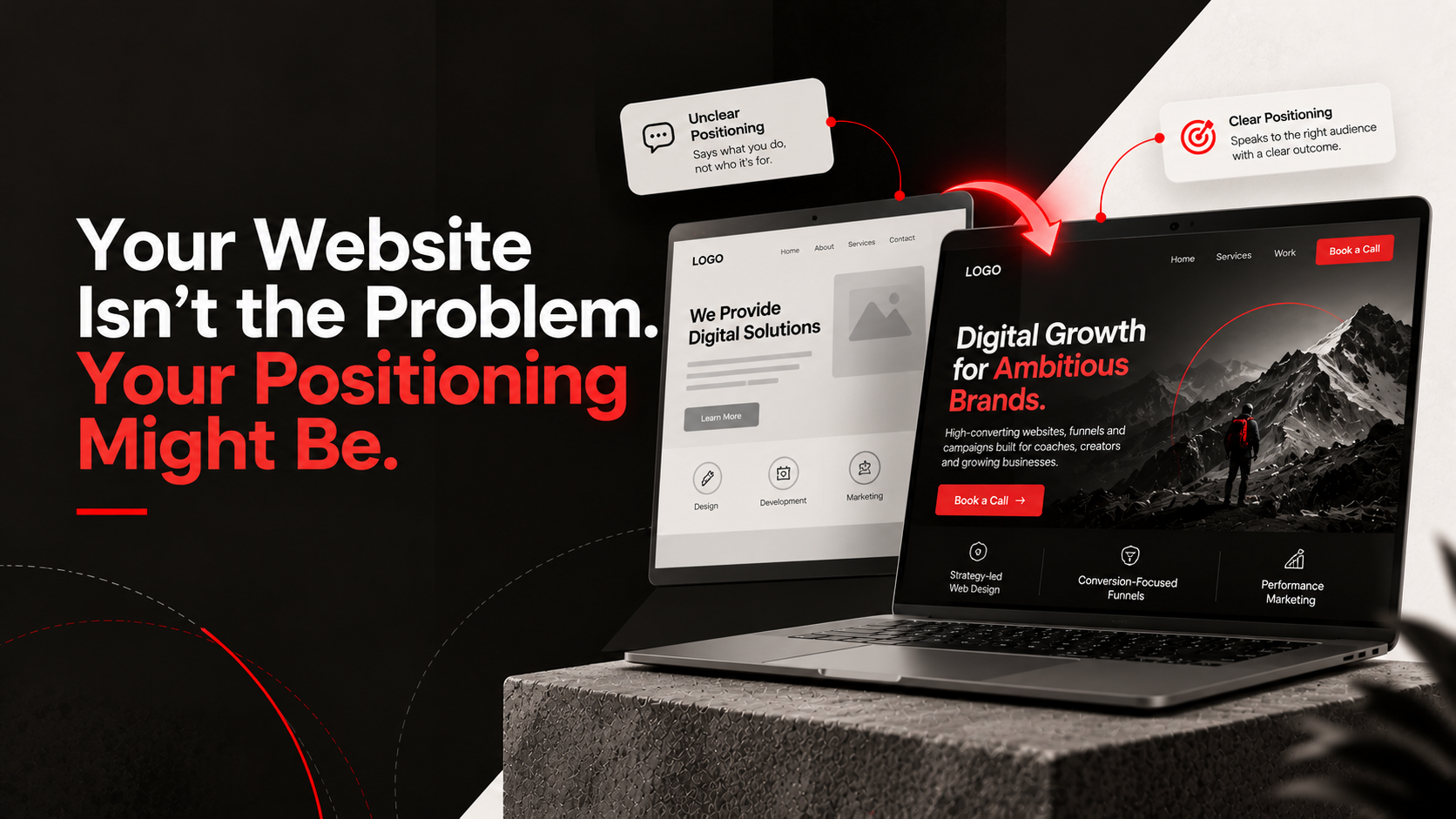
Your Website Isn't the Problem. Your Positioning Might Be.
A beautiful website won't save a confusing brand. Learn why your positioning, messaging, and value proposition matter more than aesthetics.
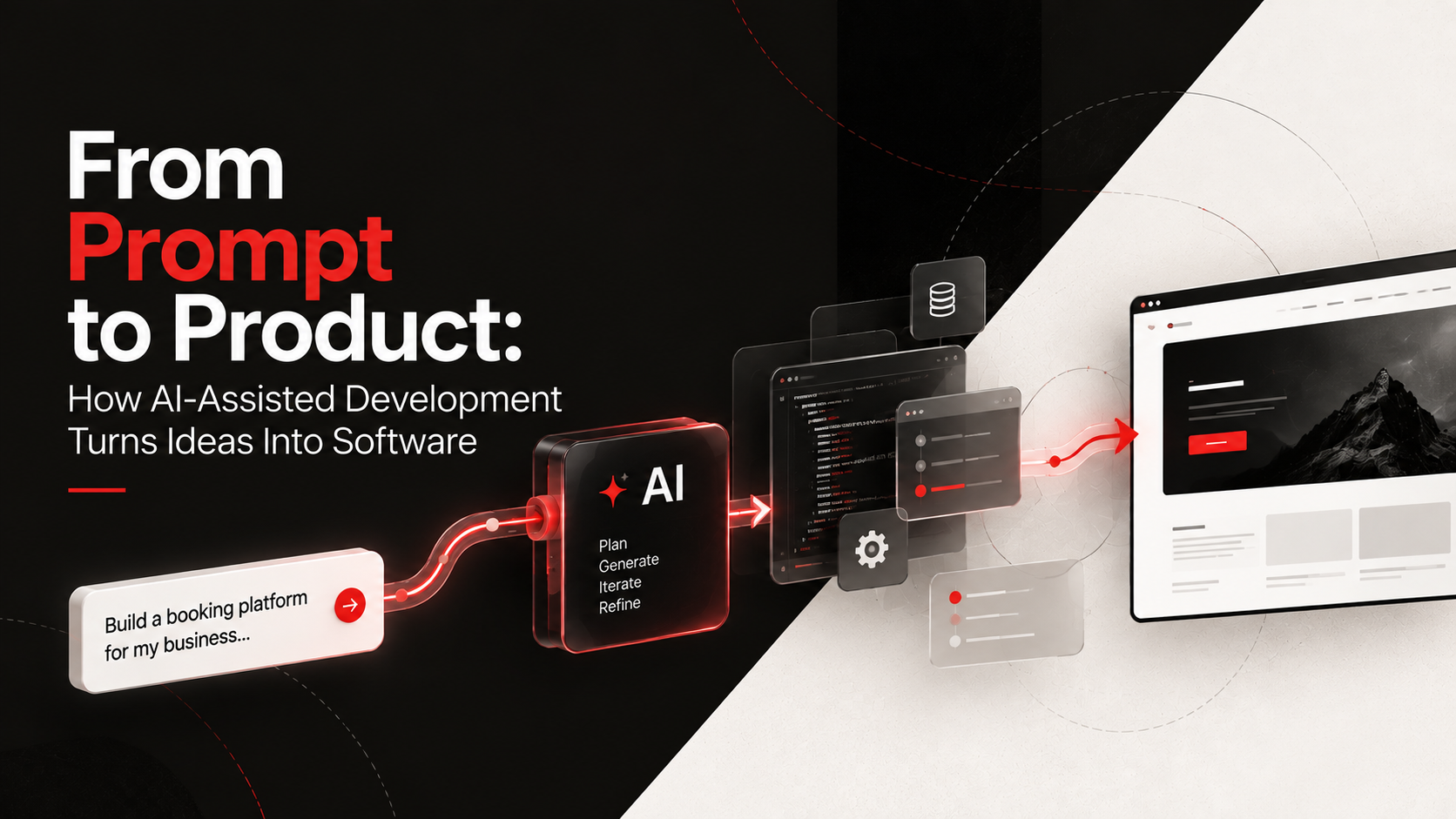
From Prompt to Product: How AI-Assisted Development Turns Ideas Into Software
Learn how modern developers use AI-assisted coding and vibe coding to turn ideas into fully functional software at record speed.
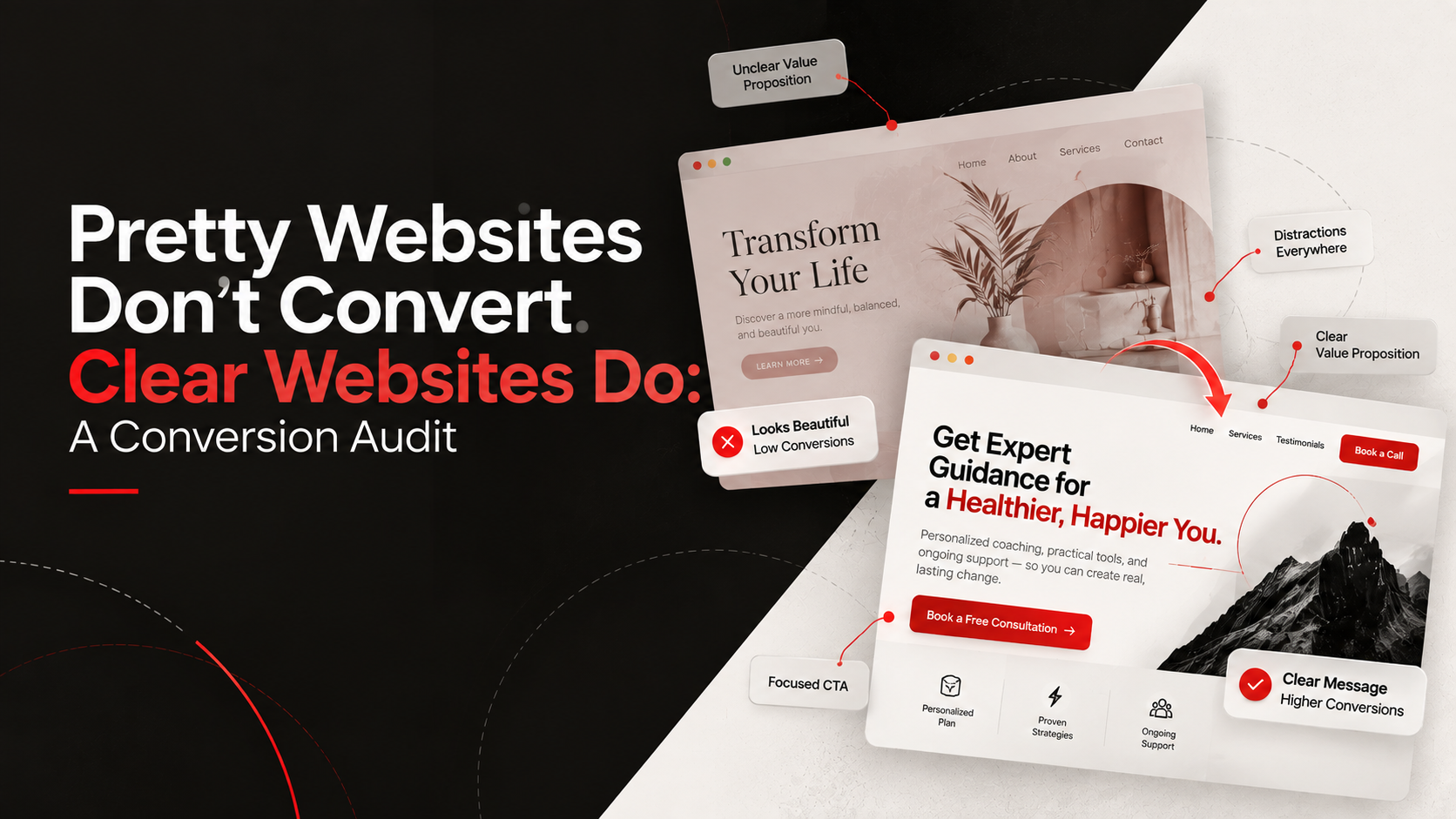
Pretty Websites Don't Convert. Clear Websites Do: A Conversion Audit
Before you spend thousands on a website redesign, run this practical website conversion audit to identify and fix hidden friction points.
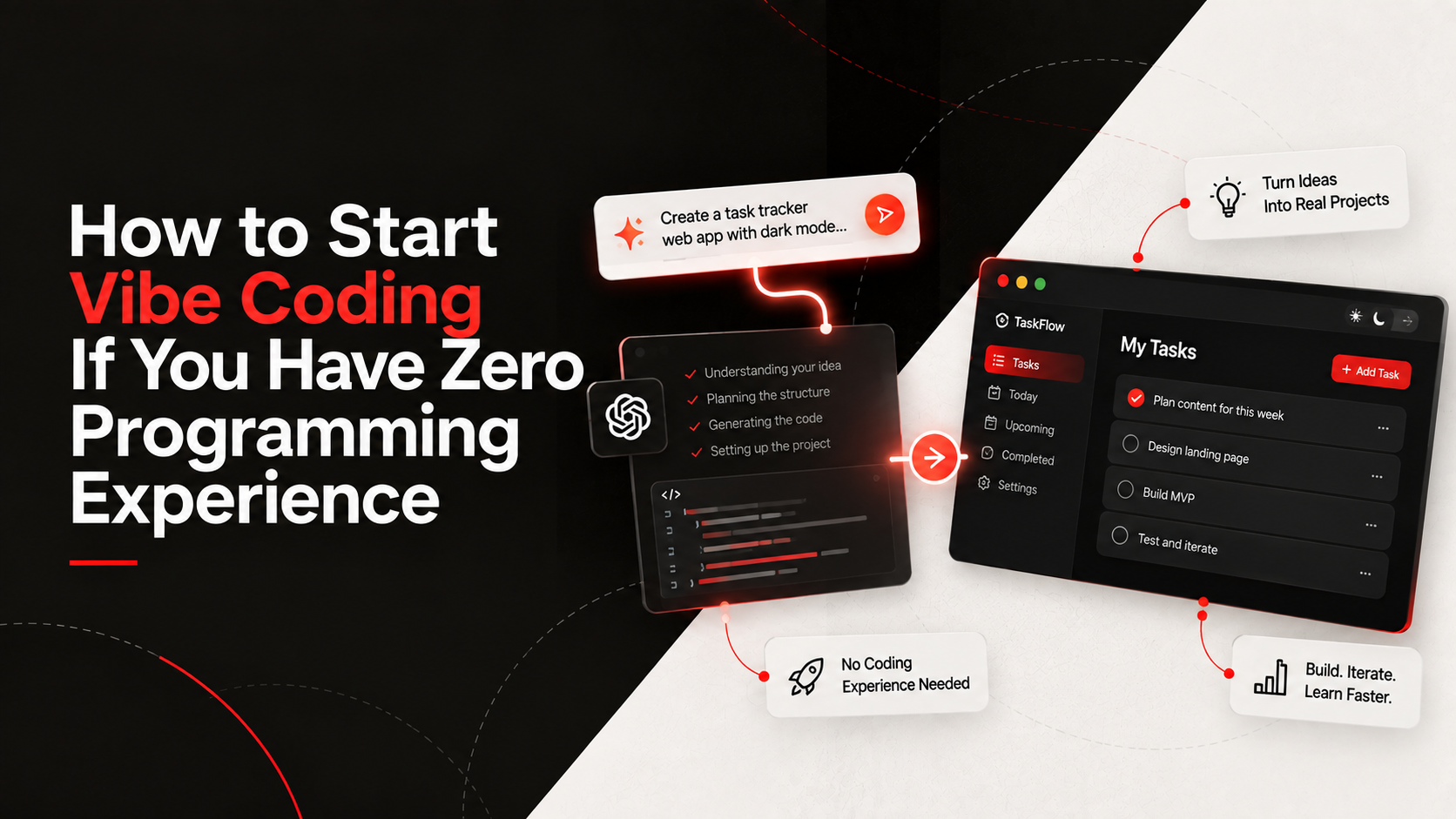
How to Start Vibe Coding If You Have Zero Programming Experience
Want to build apps but don't know how to code? Discover how beginners are using AI assistants and vibe coding to build their first projects.
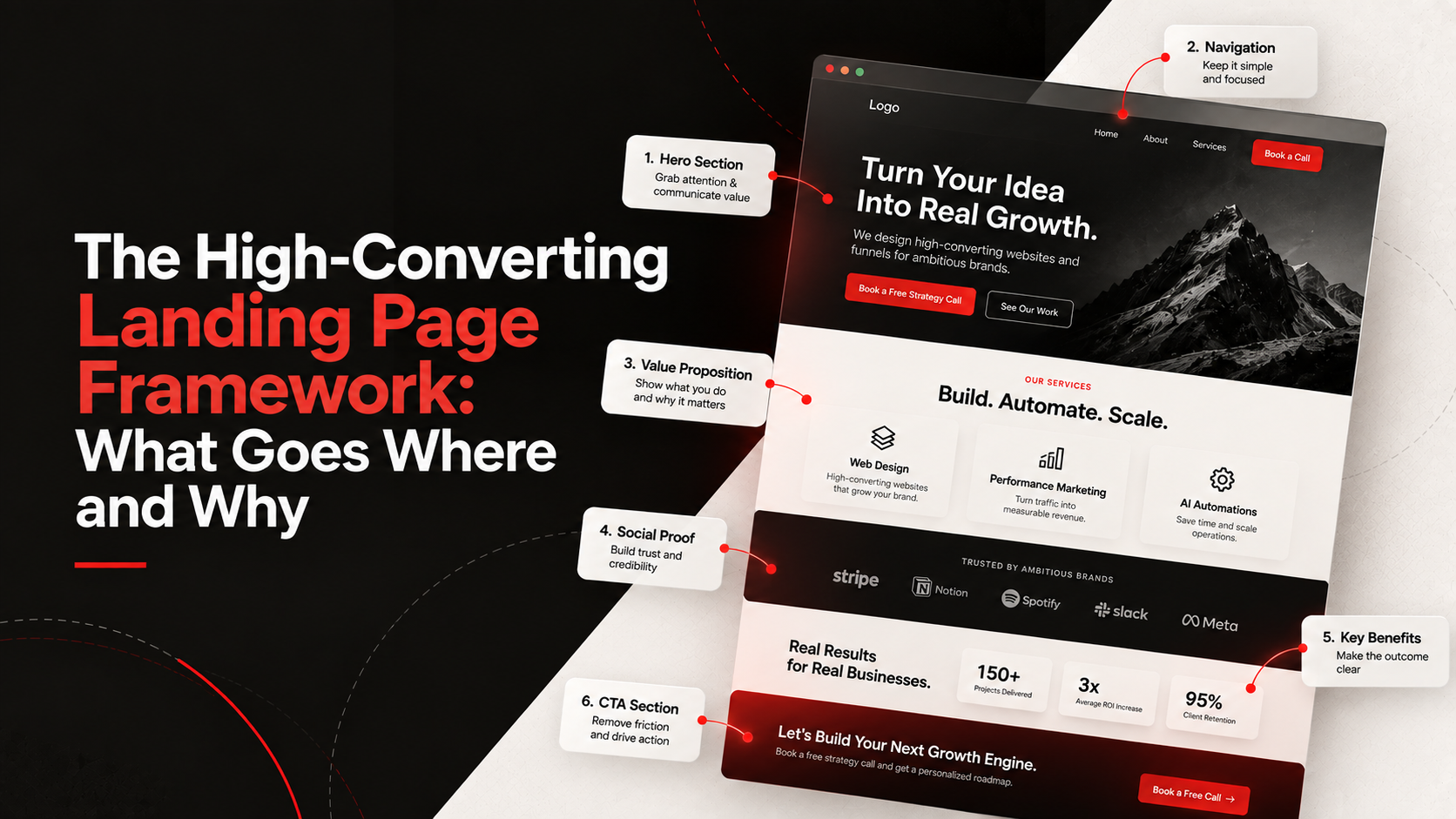
The High-Converting Landing Page Framework: What Goes Where and Why
Stop guessing what to put on your landing pages. Here is the exact structure we use to turn cold traffic into qualified leads.