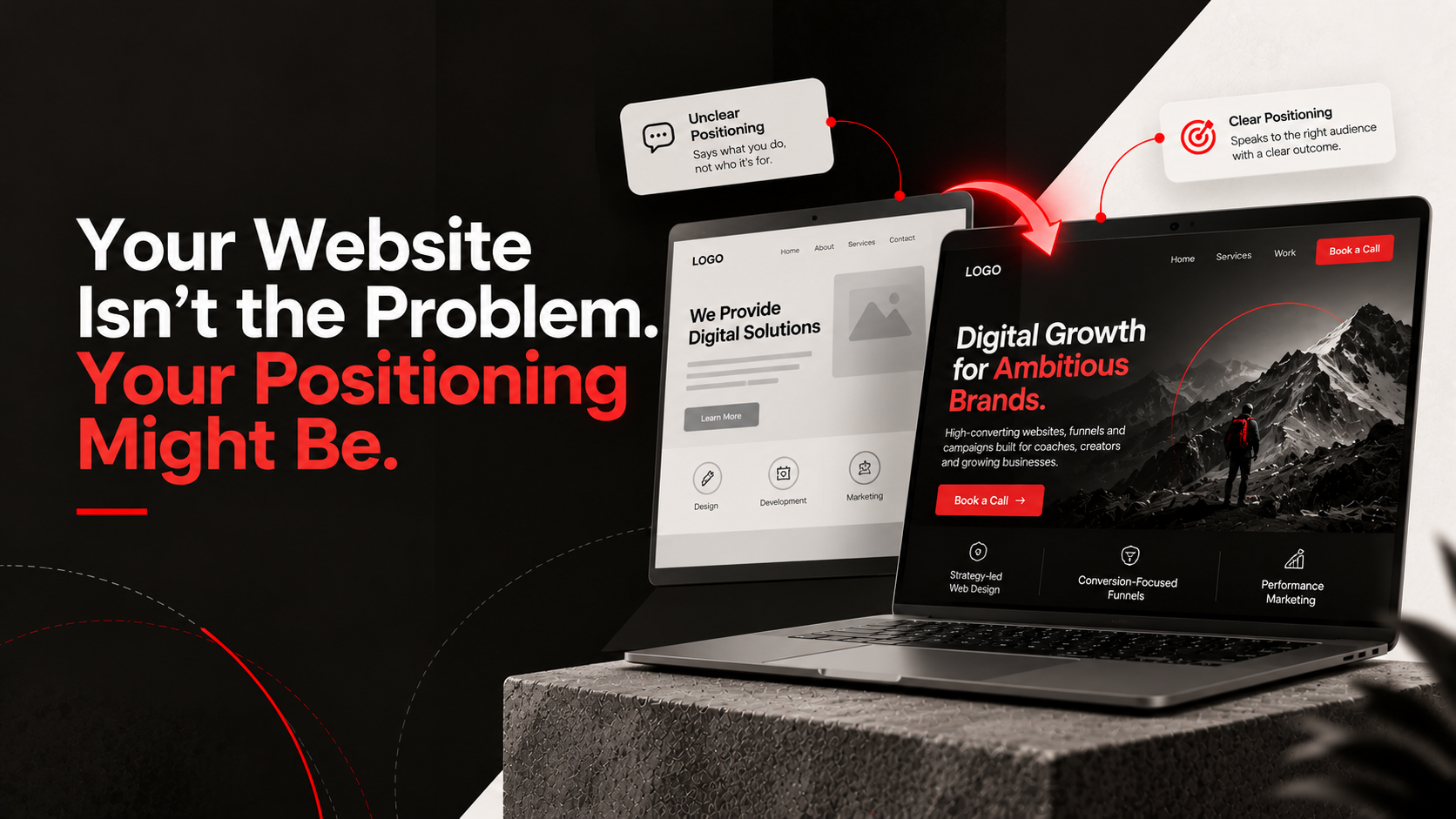
Your Website Isn't the Problem. Your Positioning Might Be.
You just spent five figures and three months building a stunning new website. The gradients are perfect, the animations are buttery smooth, and the typography screams "premium."
You launch it, post about it on LinkedIn, and wait for the leads to roll in.
Crickets.
Why? Because your website isn't the problem. Your brand positioning is.
We see this constantly at SilverPlexus. Founders treat website redesigns as a magic pill for poor sales. But if you put a fresh coat of paint on a confusing message, you just get a really pretty, really confusing message.
Here is the hard truth: Design cannot fix what your messaging hasn't figured out.
The Difference Between Design and Positioning
A website is just a vehicle. It exists to carry an idea from your brain into your customer's brain as efficiently as possible.
- Positioning is deciding exactly who you are for, what specific pain you solve, and why you are different from the dozen other tabs your prospect has open.
- Design is the visual packaging of that positioning.
If your ideal customer profile (ICP) lands on your site and can't figure out what you do within five seconds, they bounce. They don't care about your scroll-triggered animations if they don't know how you can make their life easier.
3 Signs Your Brand Messaging is Broken
Before you blame your web developer, audit your own messaging framework. Do any of these sound familiar?
- You sound like everyone else. If you removed your logo from your hero section and replaced it with a competitor's, would the website still make sense? If yes, your unique value proposition is weak.
- You are selling features, not outcomes. Customers do not buy a "cloud-based AI integration layer." They buy "saving 15 hours of manual data entry a week."
- You are speaking to everyone. If your target audience is "small to medium-sized businesses looking to grow," you are targeting nobody. Specificity sells.
How to Fix It Before You Redesign
Stop writing code and stop pushing pixels until you have a rock-solid messaging framework.
Start by interviewing your three best customers. Ask them exactly what was happening in their business the day they decided to hire you. Use their exact words to rewrite your website copy.
Next, force yourself to write a one-sentence value proposition that follows this structure: We help [Specific Audience] achieve [Specific Outcome] by [Unique Mechanism].
If you can't fill in those blanks confidently, you aren't ready for a new website. You need brand clarity first. (If you're ready to structure that message, read our guide on the Landing Page Framework).

Mahima Mujral
Co-founder & Strategy Lead
Mahima is a specialist in landing pages and sales funnels. She builds the narratives that convert attention into revenue, ensuring that every piece of infrastructure actually speaks to the buyer's real, unspoken needs.
Frequently Asked Questions
Looking for personalized project roadmap?
Book a call & let's discuss this out


Keep Reading
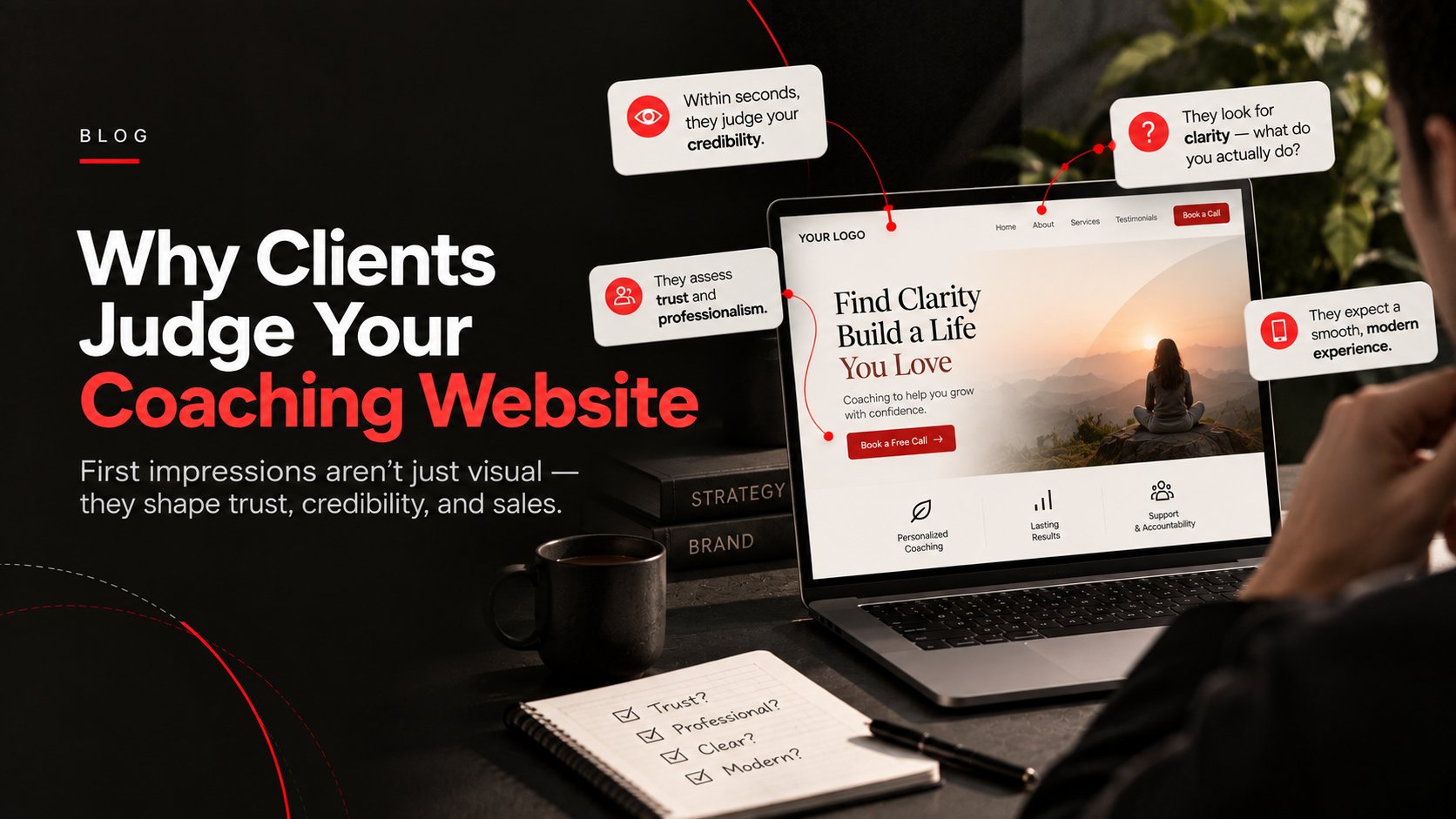
Why High-Paying Clients Are Secretly Judging Your Coaching Website
Your coaching expertise means nothing if your digital presence looks like a DIY project. Learn how to eliminate the technical burden and build a revenue-generating brand.
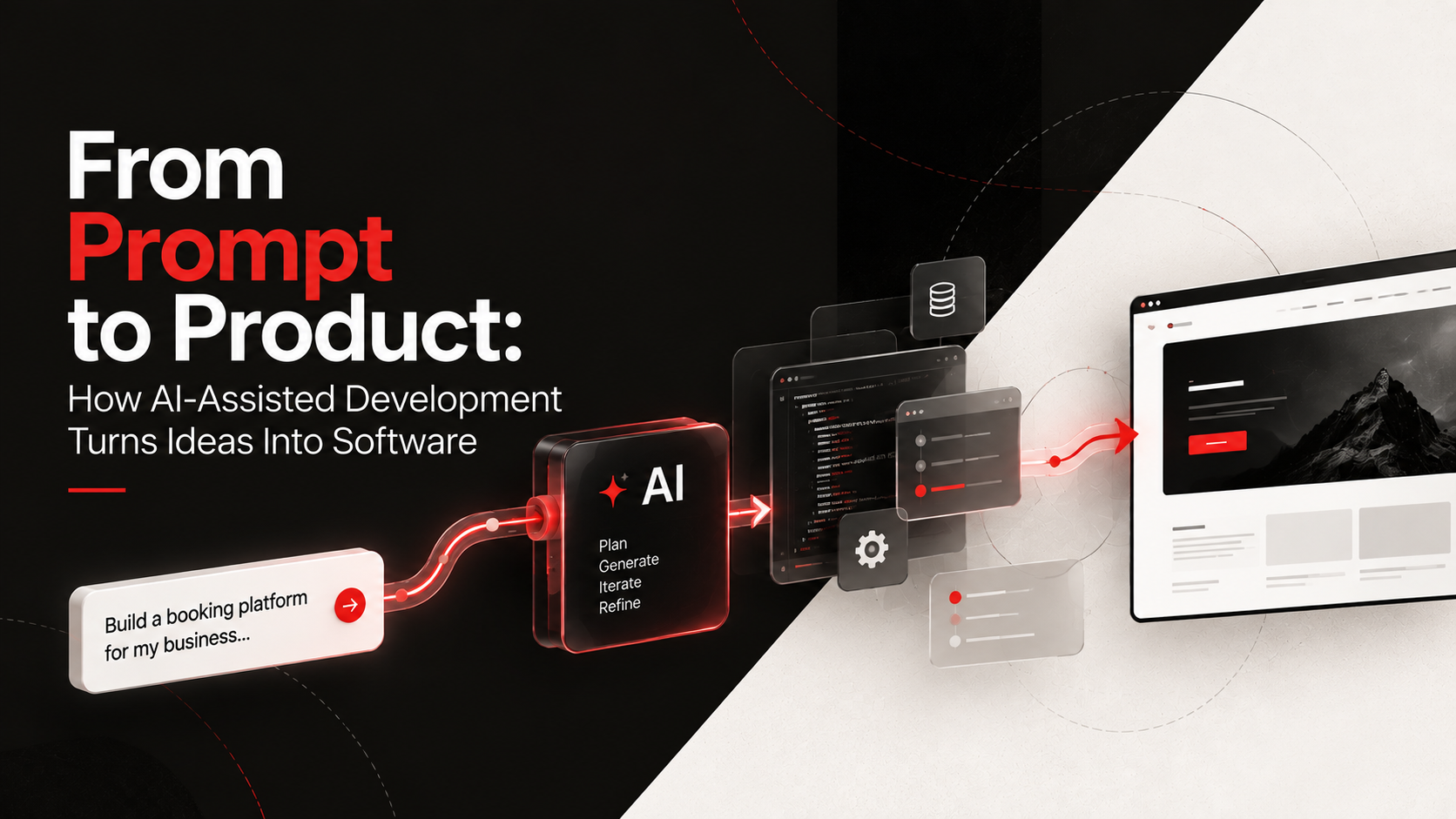
From Prompt to Product: How AI-Assisted Development Turns Ideas Into Software
Learn how modern developers use AI-assisted coding and vibe coding to turn ideas into fully functional software at record speed.
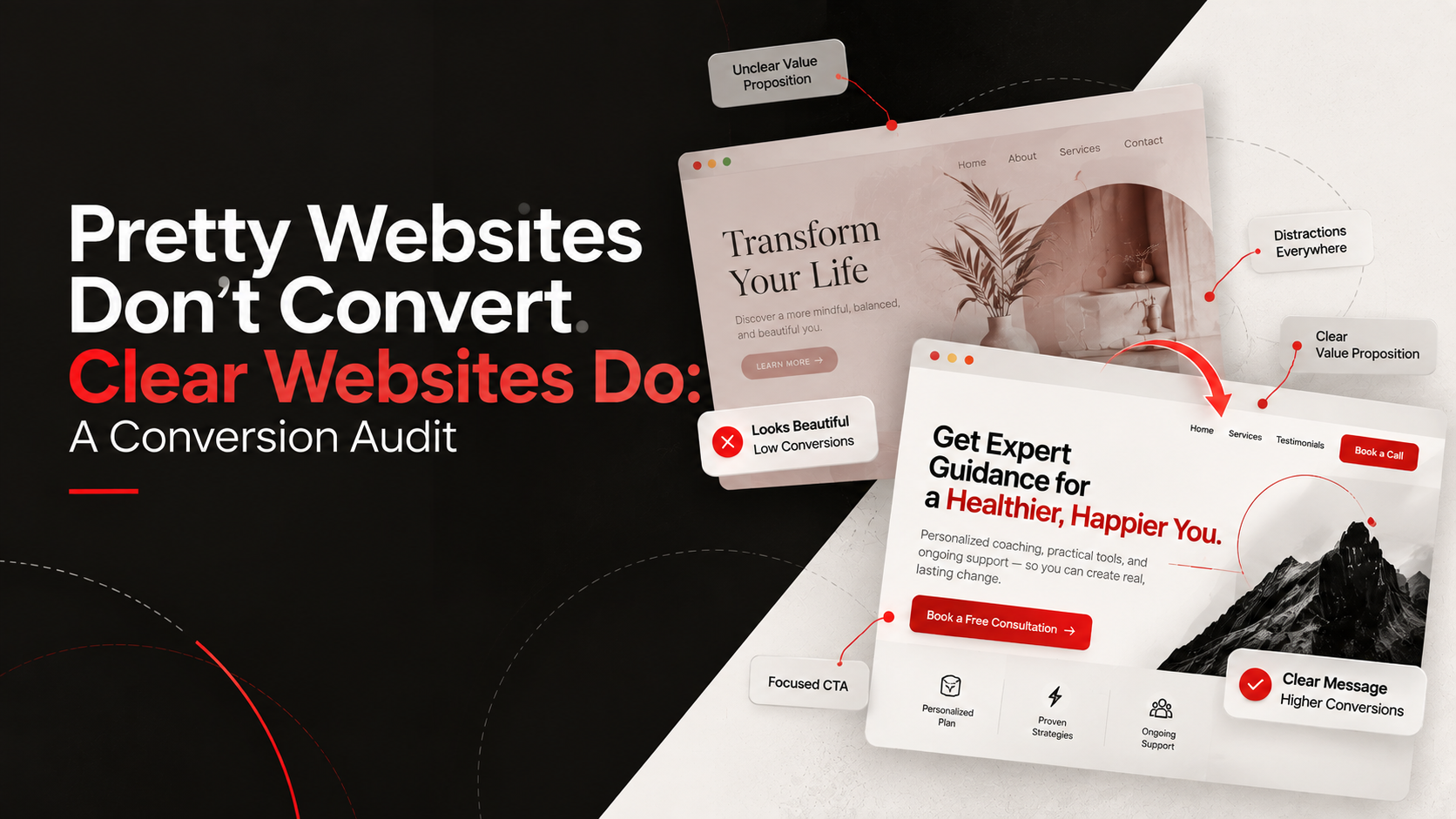
Pretty Websites Don't Convert. Clear Websites Do: A Conversion Audit
Before you spend thousands on a website redesign, run this practical website conversion audit to identify and fix hidden friction points.
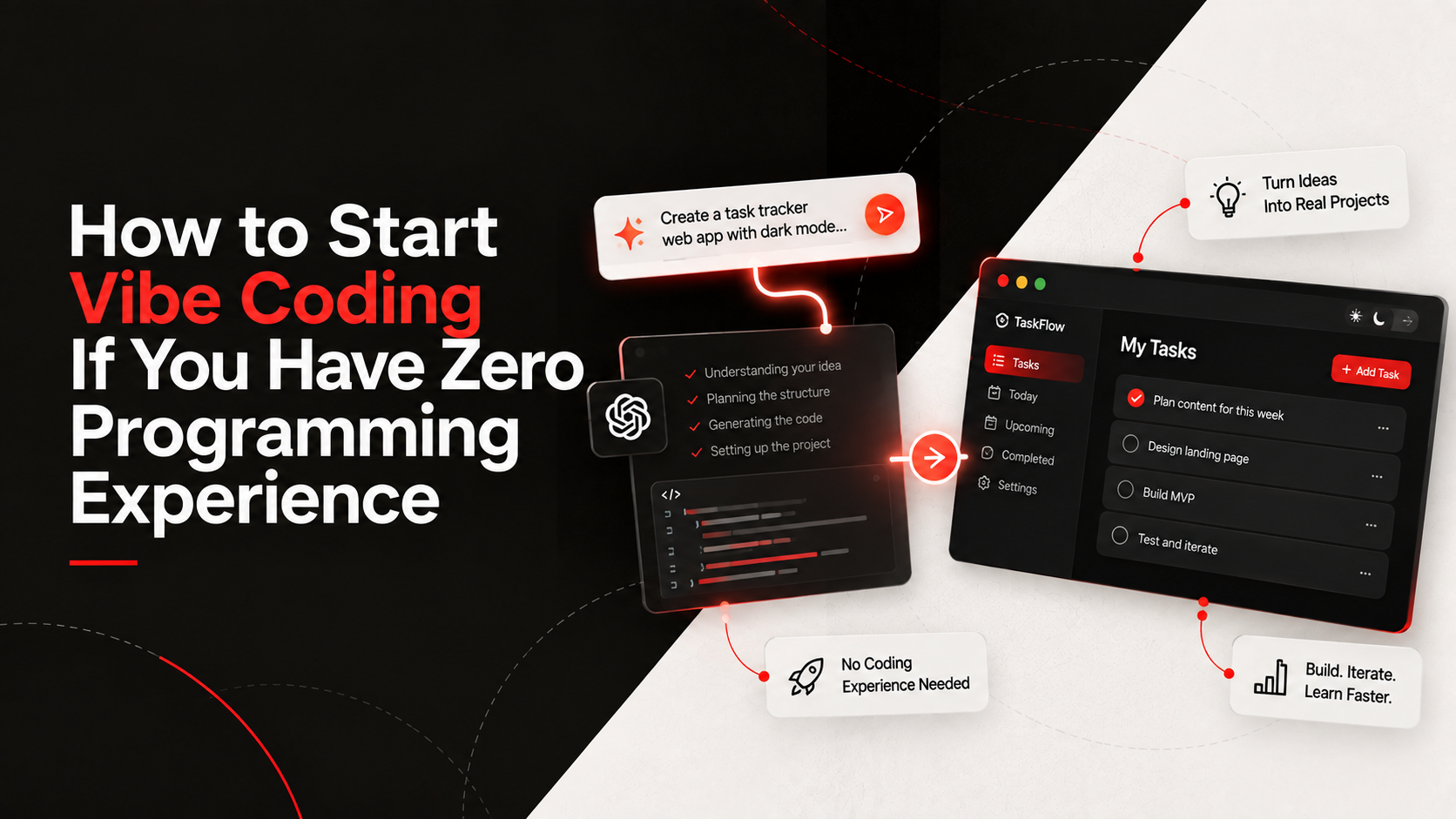
How to Start Vibe Coding If You Have Zero Programming Experience
Want to build apps but don't know how to code? Discover how beginners are using AI assistants and vibe coding to build their first projects.
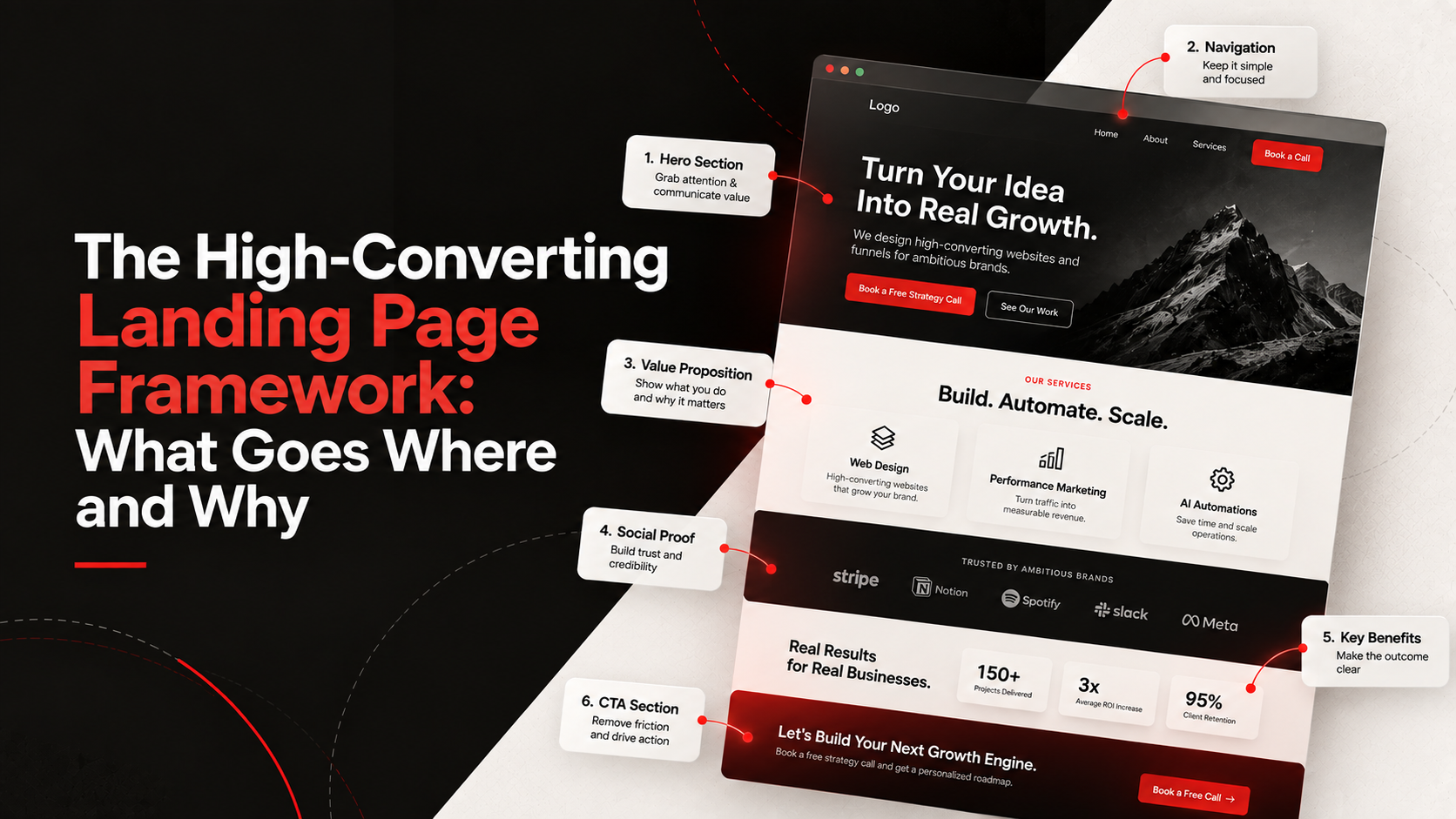
The High-Converting Landing Page Framework: What Goes Where and Why
Stop guessing what to put on your landing pages. Here is the exact structure we use to turn cold traffic into qualified leads.
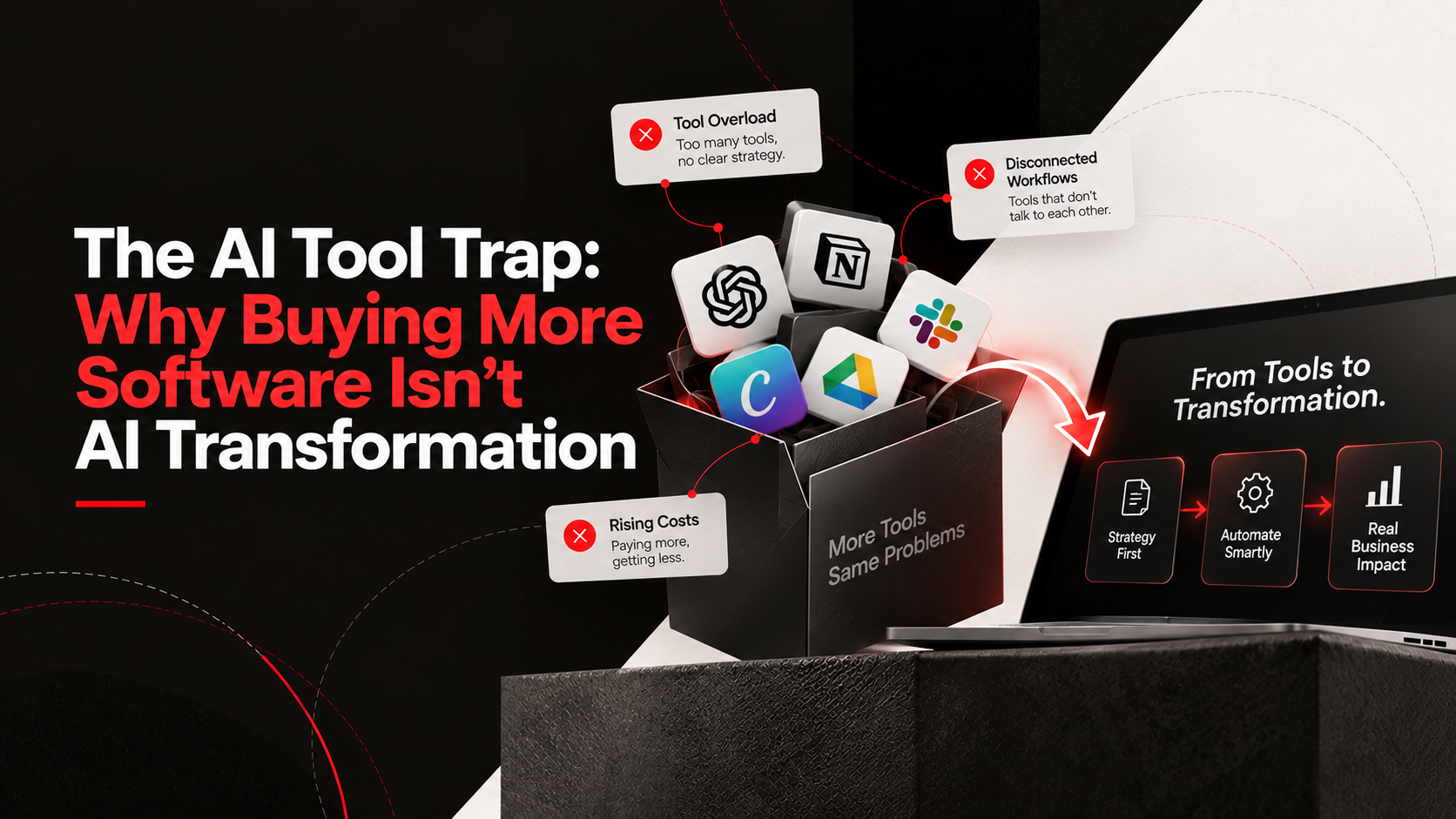
The AI Tool Trap: Why Buying More Software Isn't AI Transformation
Stop buying AI subscriptions you don't need. Learn why real business process automation starts with strategy, not just more software.