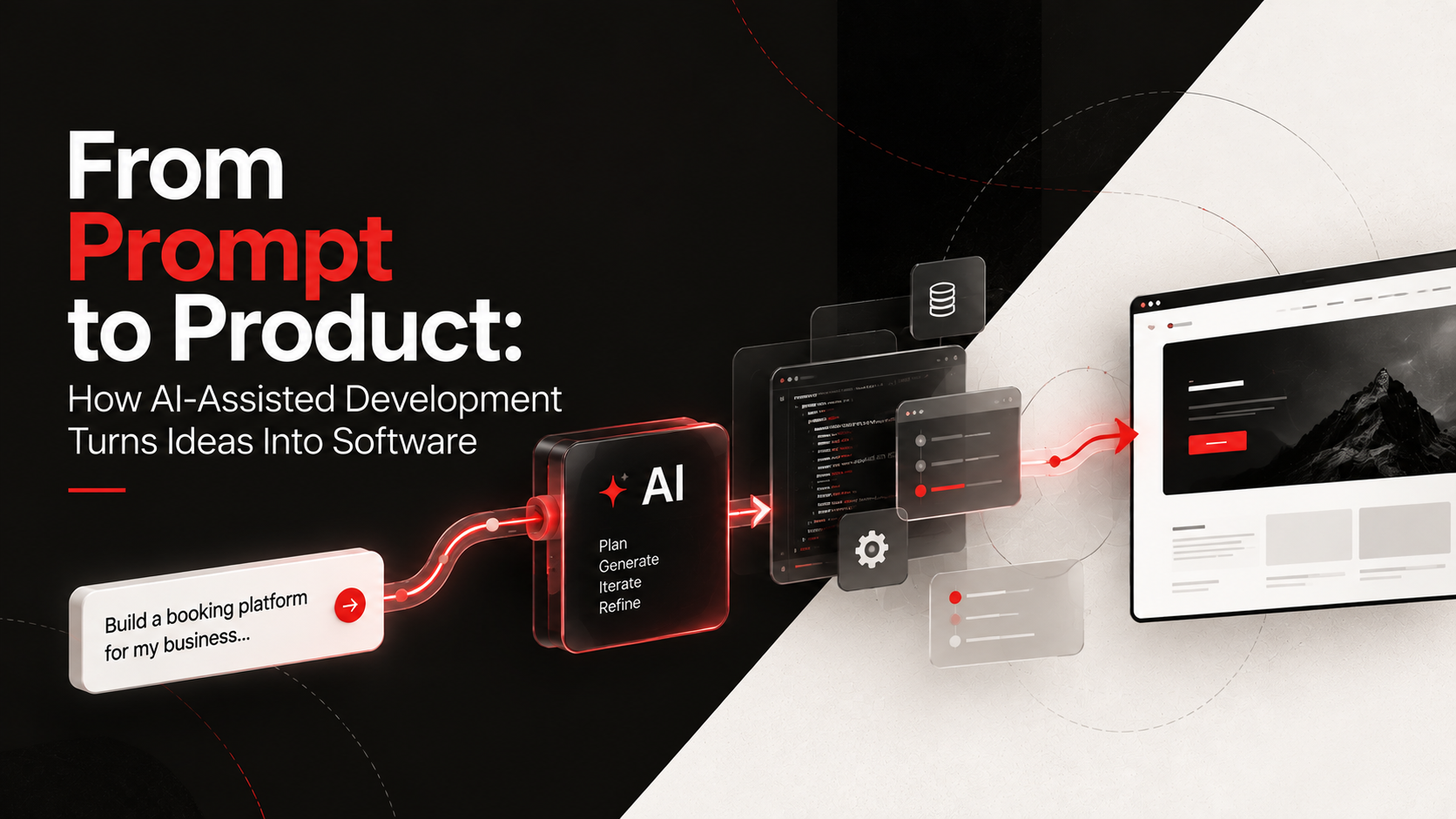
From Prompt to Product: How AI-Assisted Development Turns Ideas Into Software
There is a massive shift happening in how software is built. Just a few years ago, building a Minimum Viable Product (MVP) required months of manual syntax writing, tedious bug fixing, and heavy infrastructure setup.
Today, a single developer with the right AI tools can build that same MVP in a weekend.
But let's clear up a misconception right now: AI is not replacing software engineers. It is replacing the boring parts of software engineering. This is the era of AI-assisted development (or as the community calls it, "vibe coding").
Here is how we at SilverPlexus move an idea from a prompt to a deployed product.
1. Prompt-Driven Development and Rapid Prototyping
The workflow no longer starts with writing boilerplate code. It starts with natural language.
By feeding clear, highly structured prompts into an AI coding assistant, we can generate the foundational architecture of an application in minutes. We explain the database schema, the required API routes, and the frontend components. The AI generates the scaffolding.
This rapid prototyping allows us to see the product take shape immediately, validating the core idea before we spend hours refining the details.
2. The Human Review (Where Real Engineering Happens)
This is the step most beginners skip, which leads to disaster. AI writes fast code, but it doesn't always write secure, optimized, or context-aware code.
Once the AI generates the code, the human engineer steps in. We review the logic. We check for security vulnerabilities. We ensure the software architecture makes sense for long-term scalability. The AI is the junior developer drafting the code; the human is the senior architect reviewing the pull request.
3. Testing and Debugging on Steroids
Debugging used to involve scouring StackOverflow for hours to decipher an obscure error message.
Now, when a bug appears, we feed the error logs directly back into the AI assistant. The AI analyzes the stack trace, identifies the conflicting logic, and suggests a fix. It dramatically compresses the feedback loop.
4. A Warning for the Next Generation of Engineers
For students and junior developers, AI coding assistants (like Stitch, Google AI Studio, and AI-native IDEs) feel like absolute game-changers. They lower the barrier to entry, allowing anyone to rapidly prototype side projects and see their logic come to life instantly.
But it is dangerous to mistake these tools for a shortcut past the fundamentals. If you want to become a professional engineer, you cannot rely on an AI to dictate your architecture. You still need to understand data structures, how APIs function under the hood, and core system design. The AI is a powerful assistant, but you must remain the expert. Use these tools to accelerate your workflow, but never stop mastering the underlying programming principles that make the code work.
5. Why This Matters for Founders
If you are a non-technical founder, AI-assisted development is the greatest leverage you have ever had. It means your product validation phase just got vastly cheaper and faster. You no longer have to wait six months to see if your idea works.
But remember: you still need someone who understands how to orchestrate the AI. Prompting for a landing page is easy. Prompting for a secure, scalable SaaS backend requires deep technical knowledge.
If you are looking to learn this workflow yourself, check out our guide on How to Start Vibe Coding, or apply for our ELEVATE program to build alongside us.

Sukhsagar Singh
Co-founder & Lead Educator
Sukhsagar focuses on the infrastructure—both technical and educational. He ensures our client systems are robust and our academy curriculum produces practitioners who can actually build.
Frequently Asked Questions
Looking for personalized project roadmap?
Book a call & let's discuss this out


Keep Reading
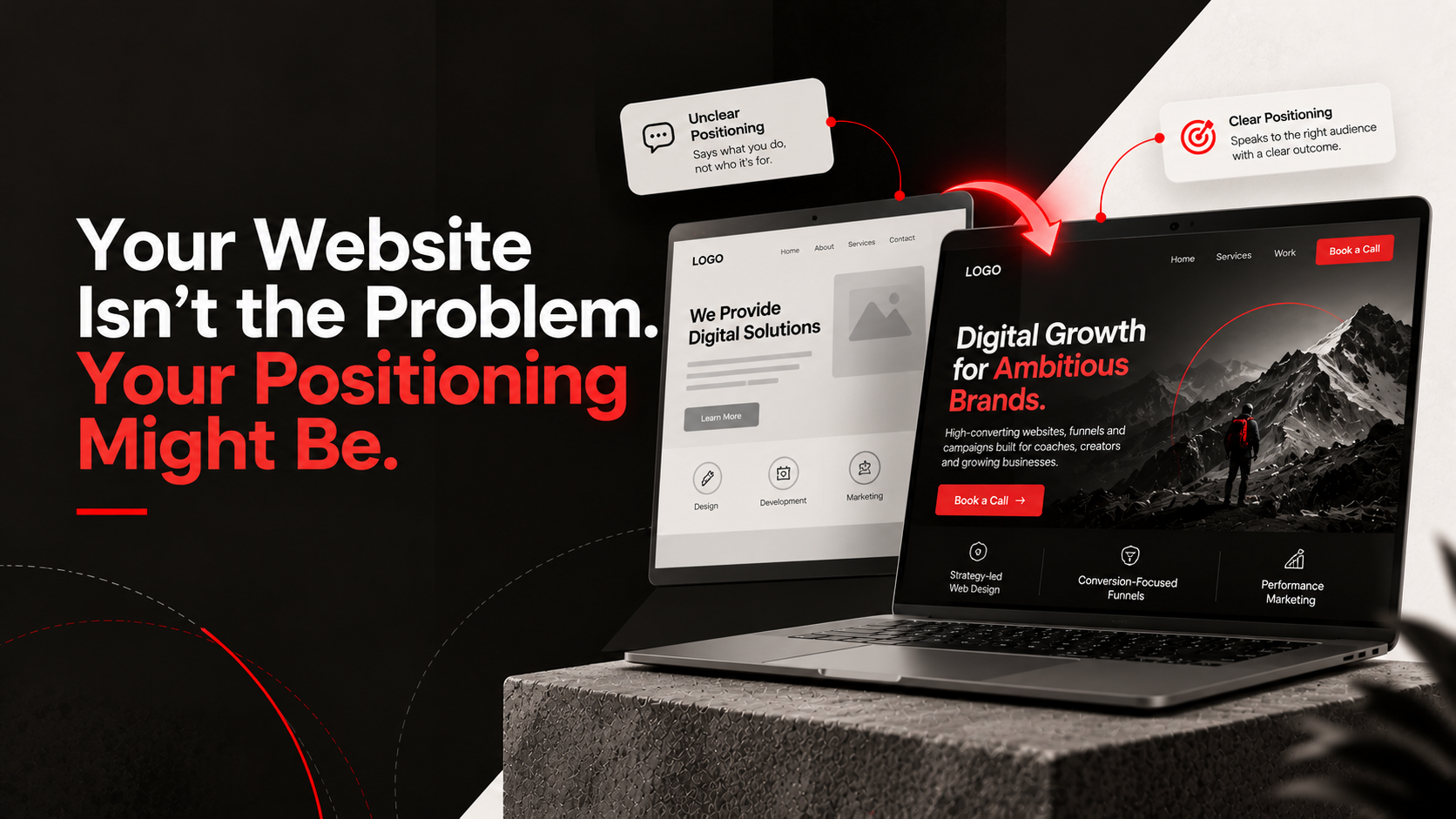
Your Website Isn't the Problem. Your Positioning Might Be.
A beautiful website won't save a confusing brand. Learn why your positioning, messaging, and value proposition matter more than aesthetics.
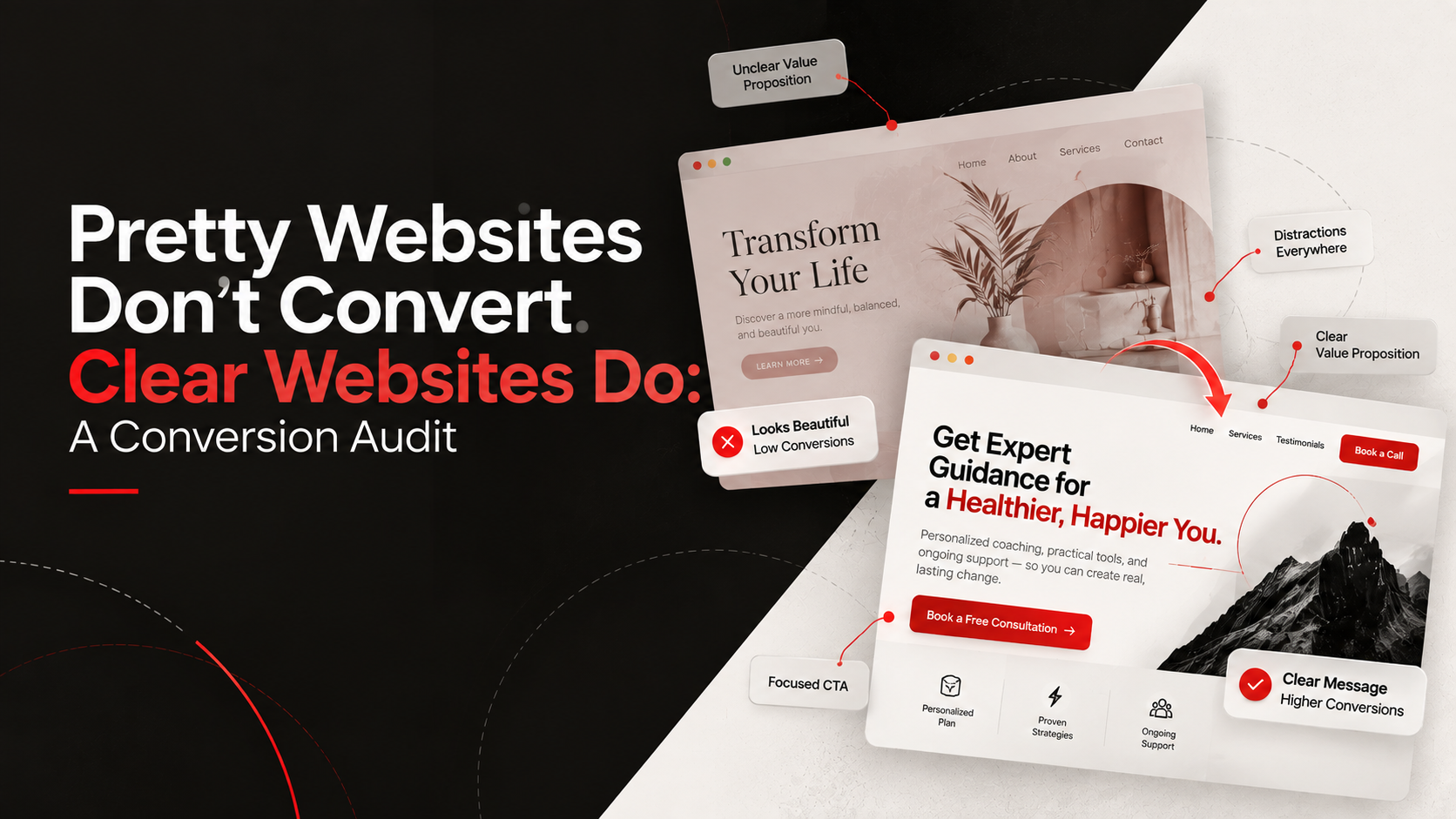
Pretty Websites Don't Convert. Clear Websites Do: A Conversion Audit
Before you spend thousands on a website redesign, run this practical website conversion audit to identify and fix hidden friction points.
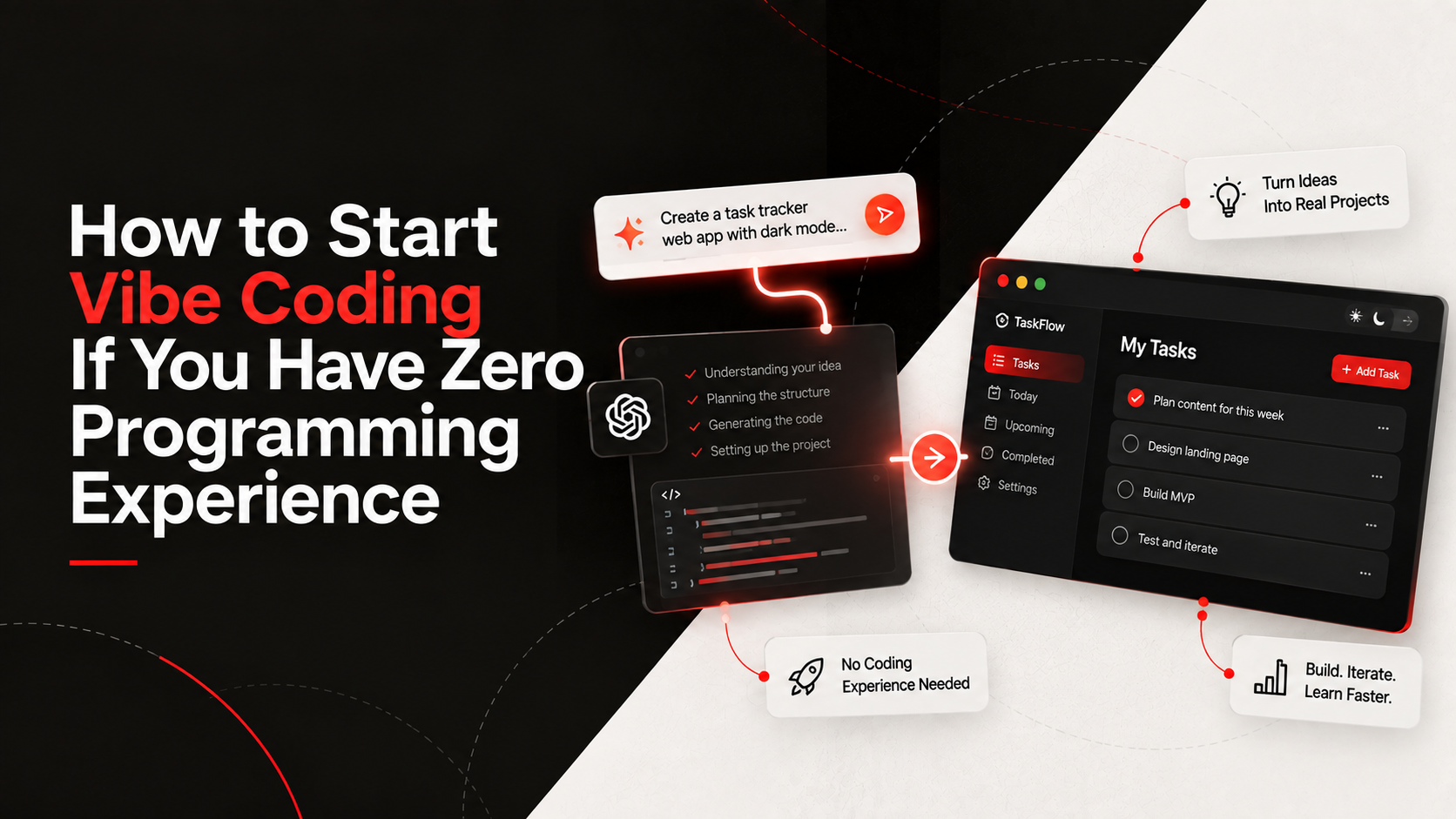
How to Start Vibe Coding If You Have Zero Programming Experience
Want to build apps but don't know how to code? Discover how beginners are using AI assistants and vibe coding to build their first projects.
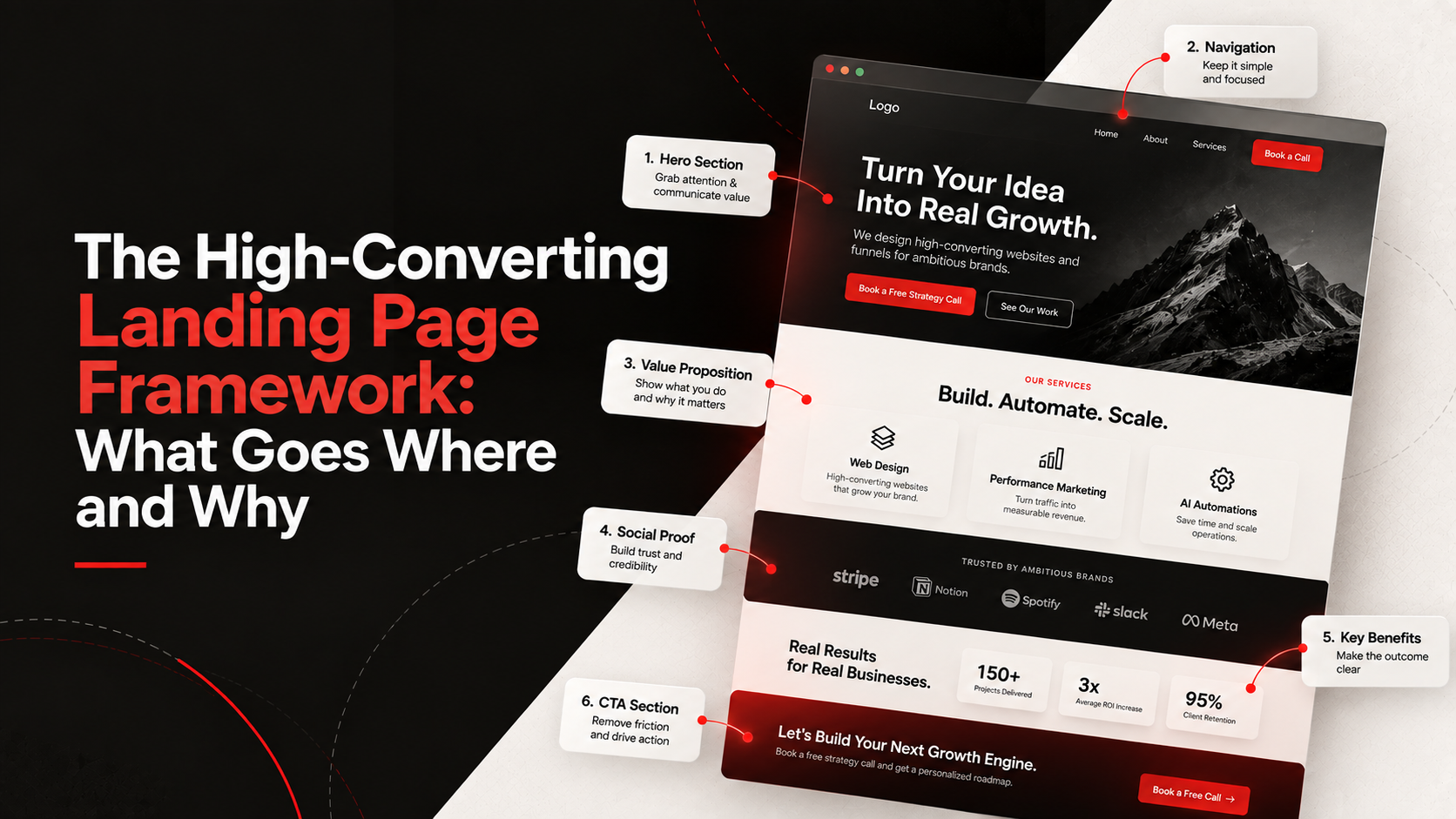
The High-Converting Landing Page Framework: What Goes Where and Why
Stop guessing what to put on your landing pages. Here is the exact structure we use to turn cold traffic into qualified leads.
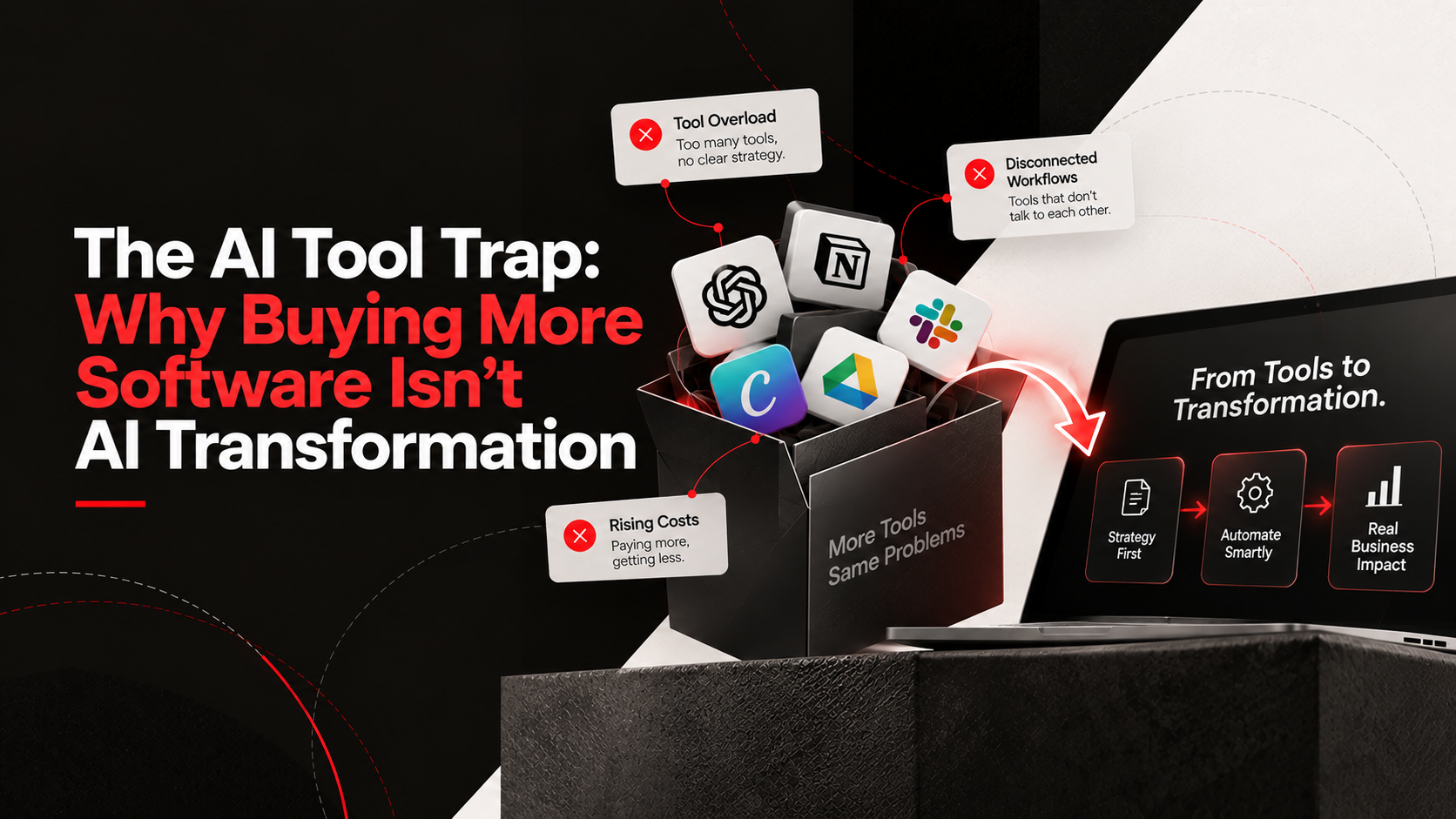
The AI Tool Trap: Why Buying More Software Isn't AI Transformation
Stop buying AI subscriptions you don't need. Learn why real business process automation starts with strategy, not just more software.